What to check before storing nicotine pouches for freshness
Freshness is easy to take for granted until a pouch feels dry, smells off, or loses the balance you expect. Nicotine pouches are small, but their condition depends on ordinary details: the container, the seal, the room, and the length of time they sit untouched. A short review of those details can keep cans tidy, readable, and in better shape between uses.
The goal is not to create a complicated storage system. It is to spot the simple problems that creep in: a lid left loose, a can rolling around in a bag, a new tin placed in front of an older one, or a flavour left near a strong-smelling product. These habits matter whether the can came from a local shop or an online retailer such as Nic Pouch uk, which offers nicotine pouches from more than 30 brands organised by strength and flavour for adults aged 18 and over.
Start with the can itself
Before thinking about shelves or drawers, look at the container. Nicotine pouch cans are designed to hold a small number of pouches in a compact format, so the condition of the lid and body does a lot of work. A can that closes cleanly is easier to carry, easier to stack, and less likely to let the contents dry out or pick up outside odours.
- Lid fit. Check that the lid sits flat and closes without force. A loose or warped lid can let air move through the can more freely, which may affect texture over time.
- Hinge and rim. Open and close the lid gently. Cracks around the hinge, a chipped rim, or grit caught on the sealing edge can stop the can from shutting properly.
- Interior condition. Look for moisture, staining, or residue inside the can. Anything unusual is a reason to set that can aside rather than mix it with other pouches.
- Label clarity. Make sure the strength and flavour details remain readable. Once labels rub away, it becomes harder to tell similar cans apart.
- Shape of the can. Dented cans may still close, but damage can affect stacking and make lids sit unevenly.
A can does not need to look new to be useful. It does need to close properly and keep the pouches contained. If the container is cracked, crushed, or cannot be shut, replacing the storage container is more sensible than relying on tape or force. Improvised seals can trap moisture in the wrong place or leave sticky residue on other cans.
Check the pouches before they go back
Storage works best when only the right items go back into the can. Used pouches should never be returned to a clean container, even if they look dry. They belong in a bin, following local waste guidance where relevant. Keeping them out of the can prevents odour transfer and avoids confusion the next time the lid is opened.
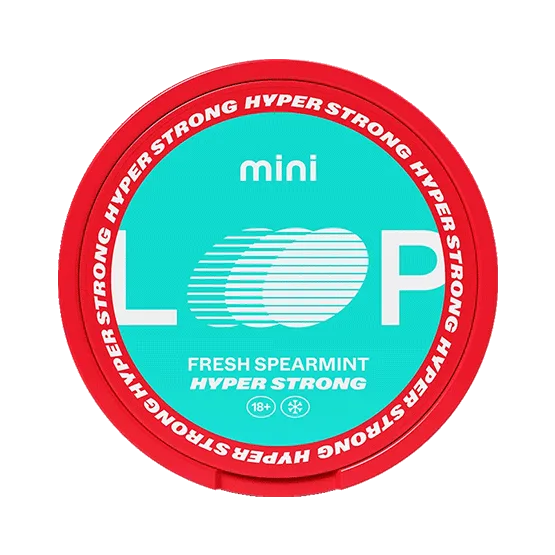
Loose pouches are another point to check. If a pouch has torn, leaked, or become sticky, it can affect nearby pouches. A small amount of residue can spread when cans are carried in a pocket or bag. A quick look before closing the lid is usually enough to catch this.
Taste and smell can change when pouches are stored badly. Strong perfumes, food, smoke, cleaning products, and damp surroundings can all leave an impression. That does not mean the pouch has become unsafe simply because it smells different, but it may be unpleasant to use. Separate storage away from strong-smelling household products is the practical answer.
Choose a steady place, not a convenient guess
The best storage spot is usually dull and predictable. A drawer, cupboard, or shelf away from direct sunlight works better than a windowsill, car, or bag left in changing temperatures. Heat and light can be rough on small products, and repeated warm and cool cycles can make texture and packaging less consistent.
Damp areas deserve the same caution. A bathroom cabinet might seem tidy, but steam from showers can create repeated moisture exposure. A kitchen drawer near a sink or kettle may face the same issue. A cool, dry spot with little temperature swing is easier to manage than a place that looks neat but changes conditions through the day.
Keeping cans upright also helps. Upright cans are easier to count, easier to label mentally, and less likely to roll into corners. If cans are stored in a drawer, a small tray can stop them sliding together. For people comparing different strengths and flavours, order makes daily selection calmer. Nic Pouch uk fits naturally into that context as one example of where adults may encounter nicotine pouches sorted by strength and flavour.
Watch for age order and rotation
Freshness is not only about where cans sit. It is also about how long they sit there. Cans can be forgotten behind a newer purchase, especially when several flavours look similar. A simple first in, first out habit works well: place newer cans behind older ones so the older cans are reached first.
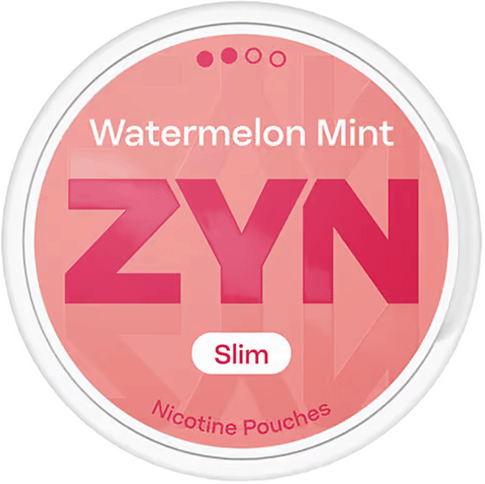
If the date marking on a can is visible, keep it readable and use it as the reference point. Different brands may present date information in different ways, so avoid guessing from the label design alone. When in doubt, follow the date printed by the maker and any storage advice supplied with the product.
Rotation also makes it easier to notice a can that has been open for a long time. An opened can may sit half used for weeks, especially if it is a flavour kept for occasional use. That is not automatically a problem, but it calls for a closer look at texture, smell, and lid condition before use.
Keep the storage area clean and calm
Clean storage does not mean sterile storage. It means the area is free from crumbs, spills, loose pouch wrappers, and strong odours. A quick wipe of a shelf or drawer can prevent residue from transferring to can bases and lids. Dry the area before putting cans back, since wiping with a damp cloth and closing a drawer straight away can leave moisture behind.
Avoid storing cans alongside loose change, keys, or tools. These items can scuff labels and dent lids. If cans travel in a bag, a small inner pocket or dedicated case can reduce rubbing and pressure. The aim is not to buy special equipment, just to stop cans being treated like loose filler in a crowded pocket.
Pet access and child access also belong in the decision. Nicotine products should be kept out of reach of children and pets. A drawer or cupboard that closes securely is preferable to an open shelf, even if the shelf looks more convenient. This point matters more than neatness, and it should shape where cans are kept from the start.
Signs that storage needs a reset
Some problems are visible before a pouch is opened. Cans that stick together, lids that do not sit flush, labels that peel heavily, or a musty smell near the storage area all suggest the setup needs attention. In most cases the fix is simple: remove damaged cans, clean and dry the area, and return only containers that close properly.

Other signs appear when the can is opened. A pouch that feels unusually dry, unusually wet, or has picked up a strong outside smell may have been stored poorly. Texture can vary by brand and flavour, so compare with the product information where available rather than relying on one universal standard. If something seems wrong, it is sensible not to use it.
Storage should stay simple enough that it actually happens. A clear place, a closed lid, a dry area, and a habit of using older cans first cover most of the problem. Nicotine pouch cans do not demand elaborate care, but they do reward a little attention. The best routine is one that keeps cans easy to find, easy to read, and protected from the conditions that change them.